
In Conversation With Dr Rumbi
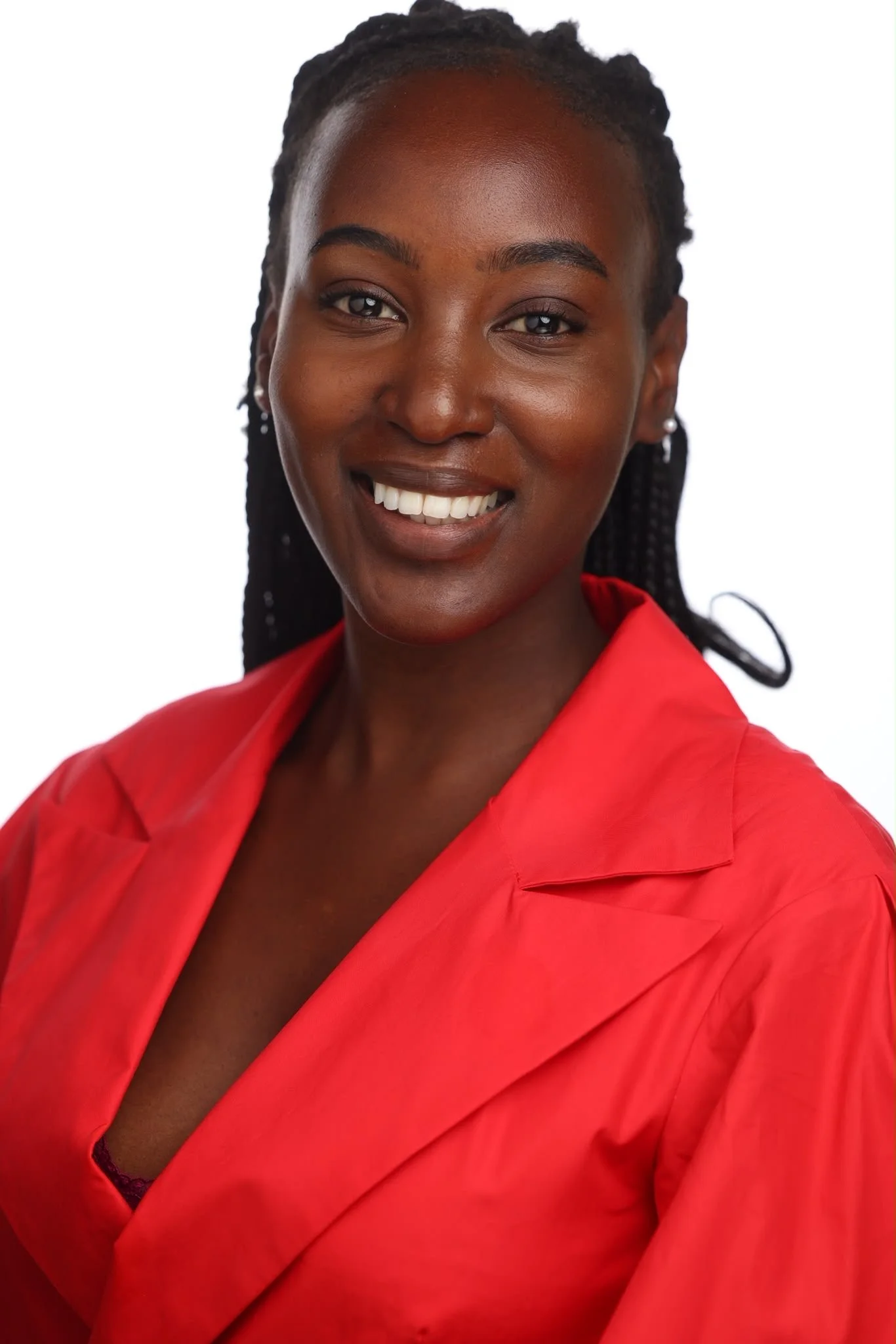
In this conversation, we speak with Dr Rumbi Mutenga, a family medicine doctor, former midwife and founder of Glacie Health, a women's health consultancy working to bridge the gap between women's healthcare needs and the services designed to meet them.
Drawing on her experiences in medicine, Rumbi shares what led her into entrepreneurship, the importance of addressing inequalities in women's healthcare and the realities of building a business alongside a demanding medical career. We also explore the sacrifices that come with ambition, learning to prioritise rest and what success looks like beyond professional achievement.
Listen: Hi Rumbi, thank you so much for chatting with us. Could you introduce yourself in your own words?
Rumbi: Thank you for having me. My name is Rumbi, I am a doctor in family medicine, before becoming a doctor I was a midwife so Women’s Health is an area of work I feel very rooted in. This is what took me onto my founder journey with Glacie Health, a Women’s Health Consultancy.
L: Tell us a little about your upbringing. Where did you grow up and what were some of the experiences that shaped the woman you are today?
R: I grew up in Leicester, a city in the midlands of England. Leicester shaped me because of how diverse it is as a city, I was able to see people that mirrored my background in all walks of life which helped my ability to dream big.
L: What did ambition and success look like in your household growing up? Were there particular expectations around the career you would pursue?
R: Ambition looked like securing financial stability, I would say yes there were expectations around the career I would pursue, not to feed into stereotypes but I was always going to be doctor, thats something I had said since as far back as I could remember.
L: Do you remember when you first became interested in medicine?
R: I can’t pinpoint a moment but I know it goes as far back as primary school.
L: Medical training is an incredibly demanding journey. What did those years teach you about yourself?
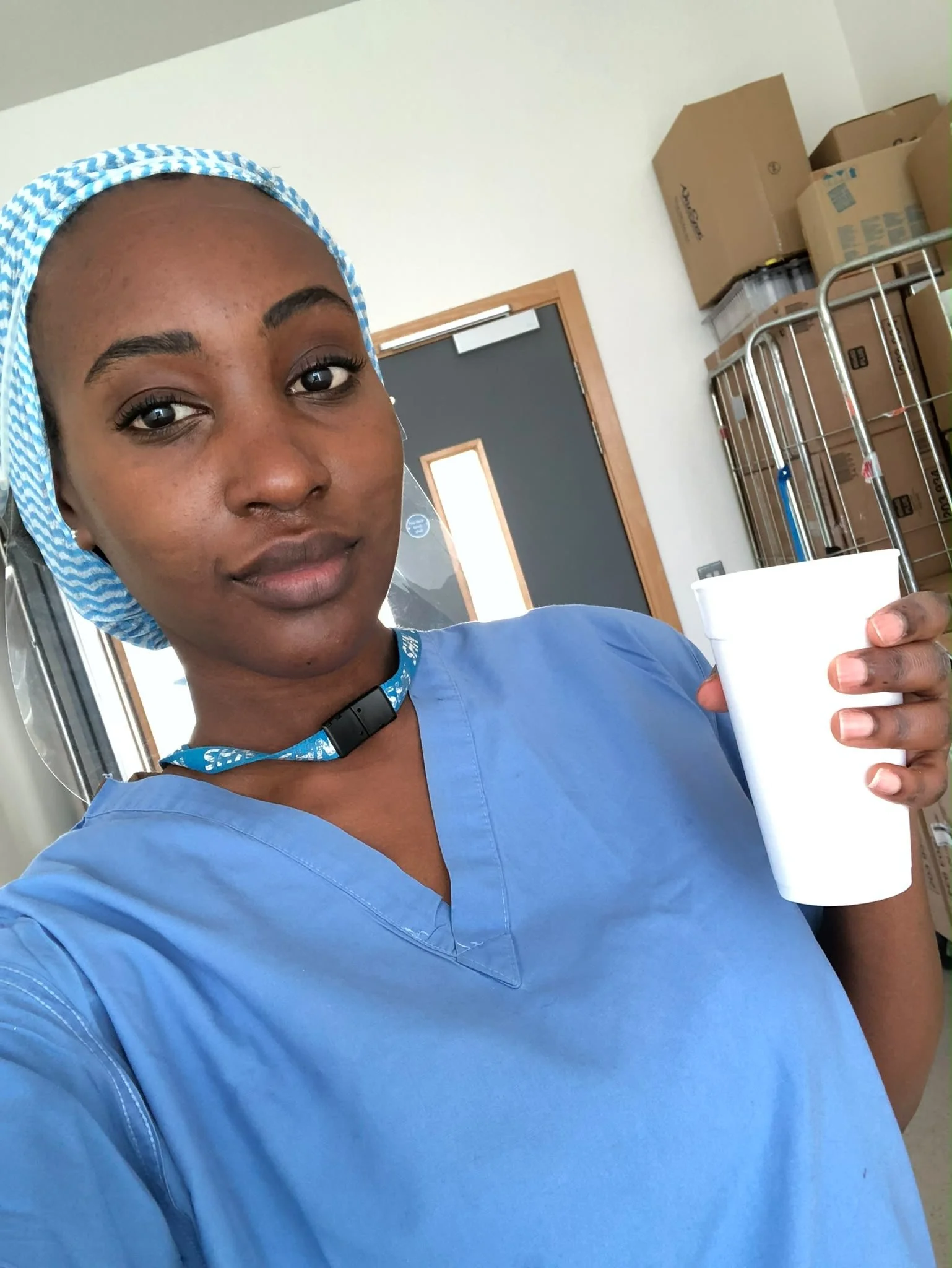
R: They taught me that I am resilient and I can manage my time, I remember working as a midwife whilst in medical school, both equally demanding and still managing to graduate medical school with honours. There were moments I experienced a feeling of missing out, when my friends were going out and I had to work or when my friends would go back home over summer holiday’s and I would stay in our university city as I had to work. That did show me though the benefit of delayed gratification, that hard work and sacrifices in those moments laid the foundations for the life I can enjoy now.
L: Has working as a doctor changed the way you understand people, particularly the relationship between physical health, emotional wellbeing and the environments we live in?
R: When I speak to non-medic friends and family that is when I realise I do view physical health, emotional health and wellbeing so differently based upon my work. I do try and turn that part of my brain off when I am not at work however it is not always possible.
L: Have there been moments in your medical career that have fundamentally challenged or changed the way you think about healthcare?
R: I started working as a doctor in the height of covid, you can only image what working in healthcare was like at that time, especially if colleagues became ill, it made me think about healthcare as a calling vs as a job and how much of yourself you may end up sacrificing as a result.
L: Women's health has historically been underfunded, under researched and, in many cases, misunderstood. What initially drew your attention to women's health?
R: My higher education starting in midwifery was what laid the women’s health foundations for my journey. In this role you experience first hand what disparities in care can look like and how they can cause poor outcomes, this inspired me to be part of the voice driving change and equity in women’s health.
L: What was the moment you realised there was a need for something like Glacie Health?
R: As I progressed on my journey, I encountered more and more founders and innovators in Women’s Health that created their service or product from their personal experiences, the identified a gap and sought to address it. With my medical background I was always being asked to advise and consult on the clinical safety and commercial opportunities for these innovations, supporting founders and innovations which progress women’s health gives me immense joy.
L: For someone discovering Glacie Health for the first time, what is the business hoping to achieve, and who is it designed to serve?
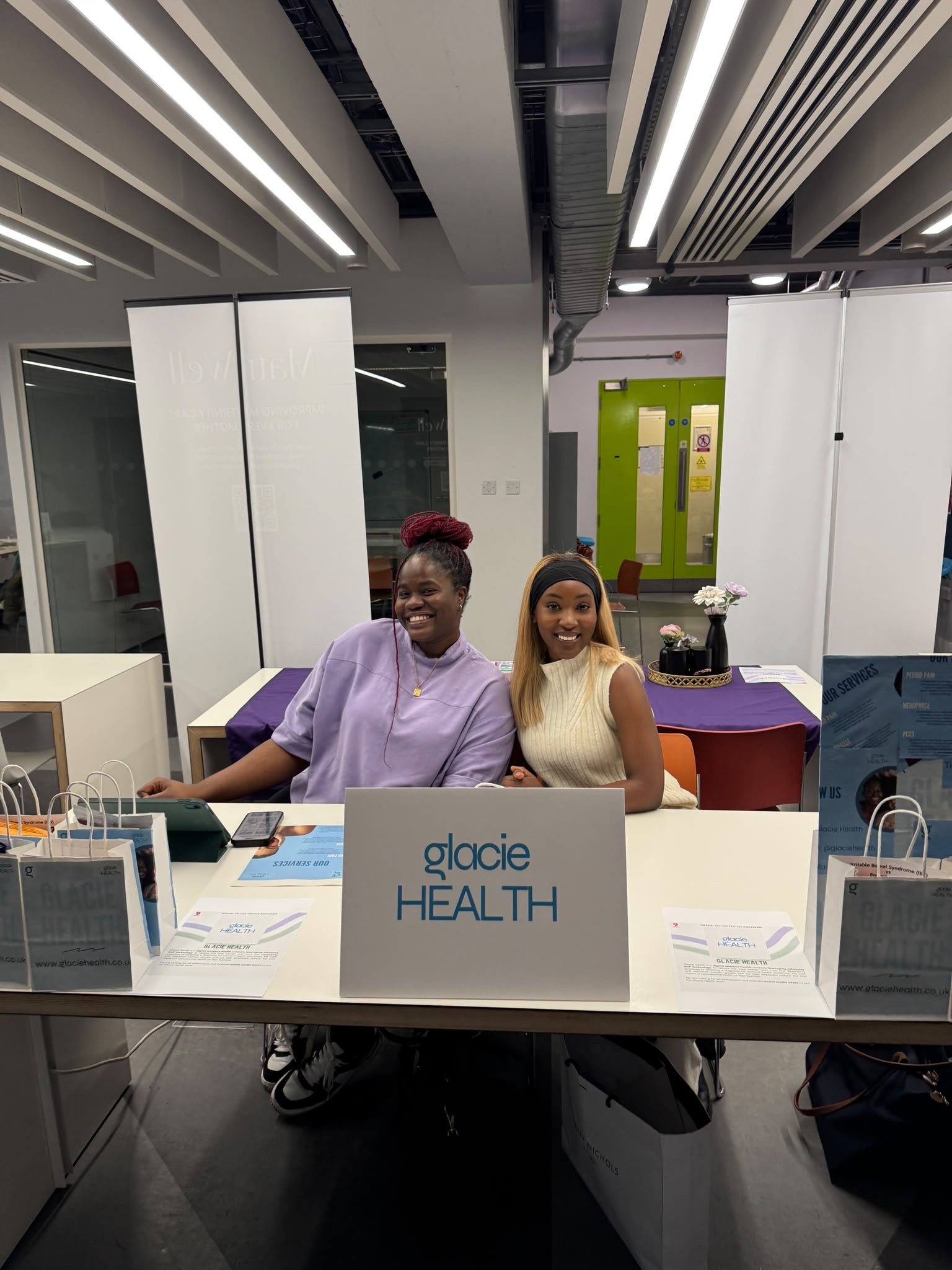
R: Glacie Health exists to close the gap between women’s health needs and the products, services and policies built to meet them.Our clients are the companies shaping women’s health. The people who benefit are women and girls, including communities that are often overlooked in health innovation, who get safer, better informed and more relevant care. We also run workshops that bring women’s health knowledge to non-clinical audiences, such as workplace teams.
L: As both a doctor and a woman navigating healthcare yourself, has building Glacie Health changed your relationship with your own health?
R: It has, particularly increasing my focus on preventative health for myself, thinking about how to keep myself well, when we think of Women’s health we often think of gynaecological health but it goes beyond that, bone health, heart health and much more where disparities can exist.
L: You're balancing a career in medicine with building a business. What made you decide to pursue entrepreneurship rather than focus solely on your medical career?
R: In my day to day practice I can positively impact the individual patient in front of me, with Glacie health I can support positive impact numbers far beyond the patients I may see in my entire career as a doctor, it allows me to try and make a positive difference, at scale.
L: We often celebrate women who seem to be doing everything, but rarely discuss the sacrifices involved. What has balancing these two worlds actually looked like for you?
R: I get asked this question often, I guess because I am doing so much. I filmed a youtube video about this and ultimately my belief if you can not give 100% at everything at the same time so I think of things in segments. When I am working clinically as a doctor I give my full attention to my patients and my work. When I am on a Glacie work day I give 100% to that. I am lucky that I have built a team at Glacie who are extremely driven and capable and aligned in the vision we are working towards.
L: Have you had to redefine your relationship with productivity, rest or success since becoming a founder?
R: I found I have to be more conscious about rest now, especially as Glacie Health grows and our workload increases. If rest is not made conscious its easy to erode on down time as there will always be one more task or one more thing to do.
L: Do you think conversations around women's bodies, reproductive health and wellbeing are changing between generations, particularly within African communities?
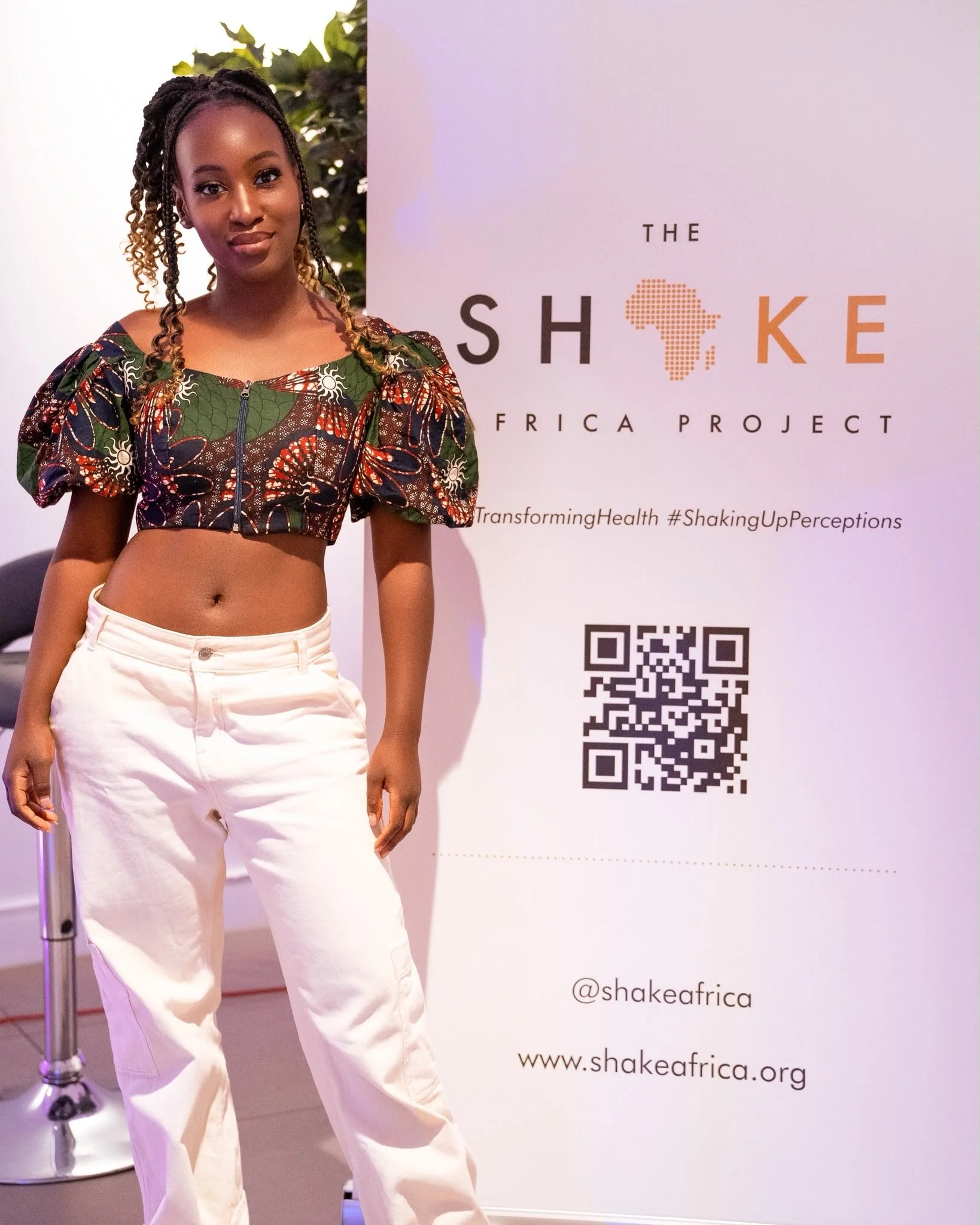
R: Conversations are changing globally, women from all corners of the globe are taking a stand and advocating for themselves and their daughters. Charities and the third sector have been particularly important in this, being able to provide menstrual health education to communities where schools may often not have these discussions, just to give one example.
L: Finally, what does a fulfilling life look like to you at this stage? Has your definition of success changed as you've grown into these different roles?
R: A fulfilled life to me at the moment looks like flexibility over my time, ability to pour myself into my passions and having the financial footing to be able to do so.
Find Rumbi @DrRumbi / @GlacieHealth