
The day before my surgery, I remember standing in front of the mirror, studying my abdomen and reckoning with how my body would change. I wondered if I would feel lighter without the weight of my fibroids, if I would feel more space inside myself. I wondered how a 10-centimeter vertical incision would heal, and whether I would feel different from the inside out. I had never spent so much time examining my abdomen, tracing its contours and noticing its shape.
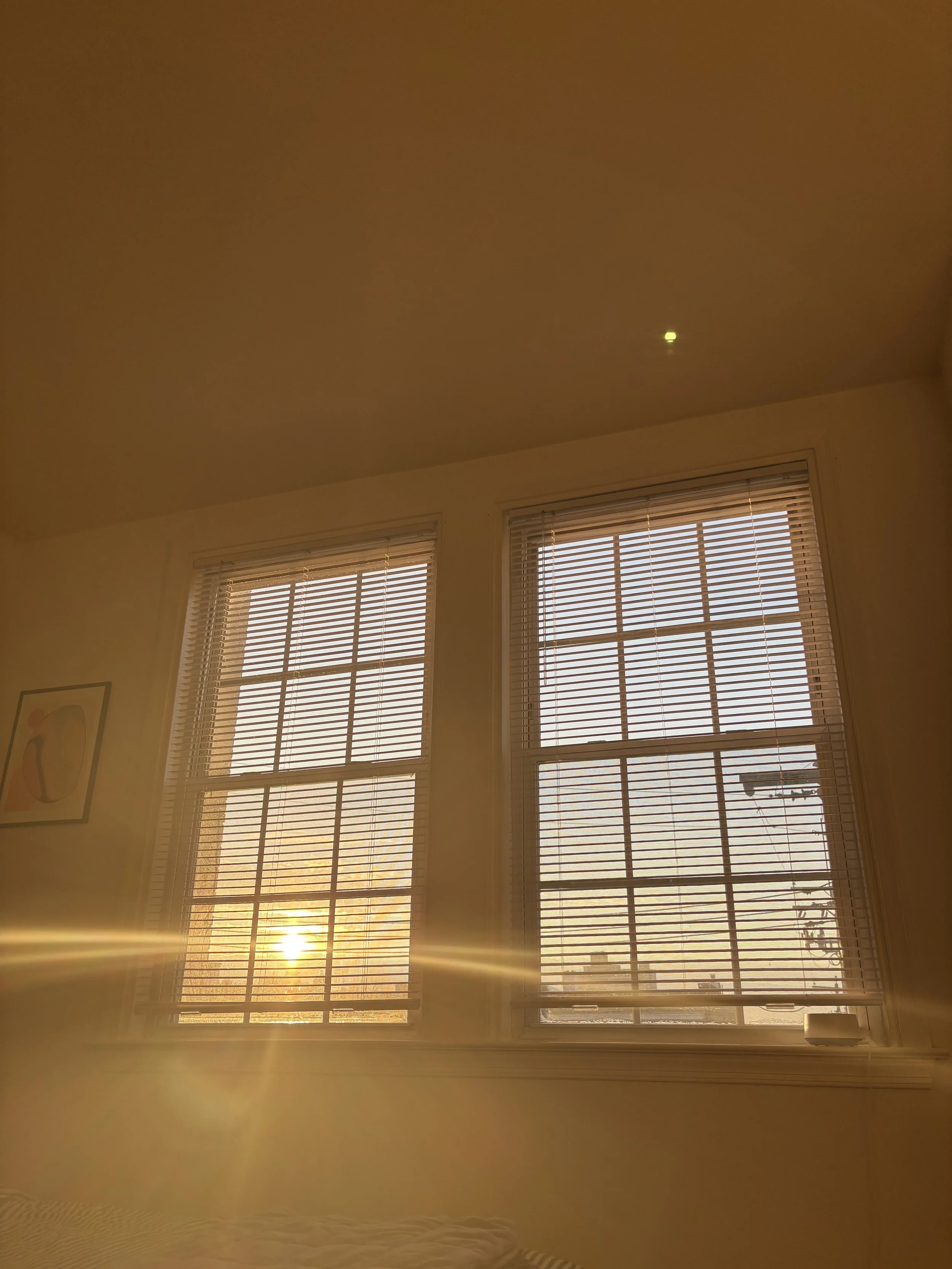
The looking continued throughout the night as I moved through the preparations for major surgery. I showered with the pre-op soap, made soup so I could freeze it, and changed my bedsheets to minimize the risk of infection. These ordinary tasks took on a different weight knowing what awaited me the following morning.
For years, I dealt with painful periods, heavy bleeding, bladder issues, and back pain that I assumed were normal. After I discovered I had fibroids, I spent a few years managing my symptoms and making lifestyle changes in the hope of delaying, or perhaps avoiding, surgery altogether. But my symptoms only worsened. I desperately wanted less pain and fewer days spent planning around my period and symptoms. So I decided to move forward with surgery.
Choosing surgery, however, was not straightforward. I had to weigh a myomectomy against a hysterectomy, and I spent a lot of time researching, talking to people who had the procedures, and reading through forums hoping the “right answer” would arrive clearly. But I still felt unsure. A hysterectomy felt final, and a myomectomy was not going to ensure fibroids wouldn't grow back. I was torn and realized making this decision required more than research. It also required stillness and a willingness to consider both what I understood intellectually and what my body was telling me.
As I paced through my apartment, pausing at the mirror each time I passed, something shifted. The surgery I had spent months preparing for mentally and physically was no longer an abstract decision or a date on the calendar. Everything was in place, yet doubt began to surface. My fibroids had grown and disrupted my life and my body's rhythm, but they were still a part of me. I started to feel protective of my body and the way it was going to be altered, while also preparing to surrender it to the hands of surgeons.
I found myself apologizing to my body for what I was asking it to endure, and the tears came as I stood with these contradictions at the threshold, preparing to let go of a body I had known, without knowing what awaited me on the other side of recovery.
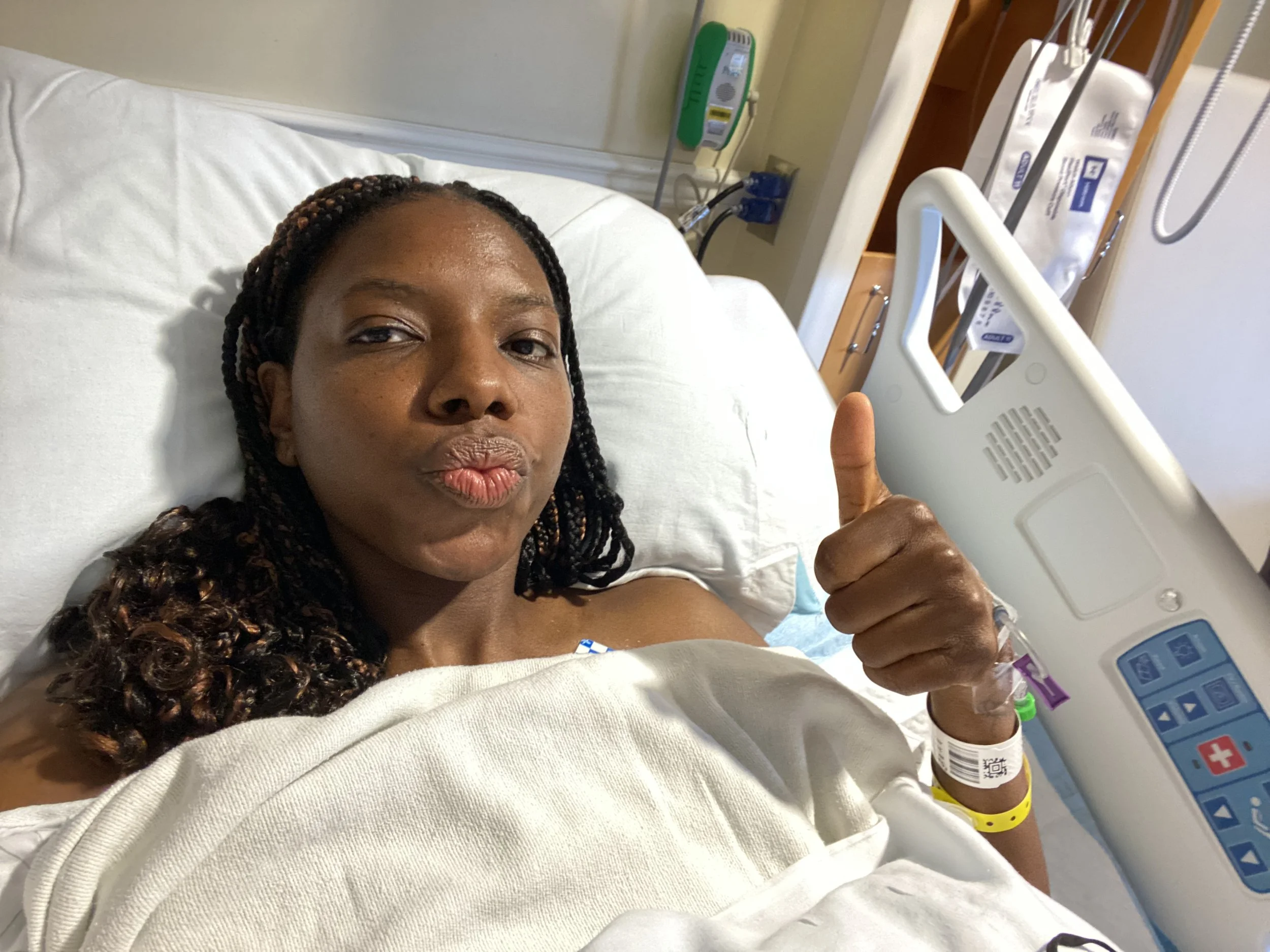
The unease of uncertainty accompanied me into the next morning as I got ready and made my way to the hospital. There were moments when I was able to breathe a little deeper, like when my mom prayed over me or my surgeon reassured me of the plan and that everything would be okay. Their reassurance eased my lingering doubt, if only temporarily.
As I was rolled into the operating room, my eyes moved quickly around the room, scanning for some indication of safety. But everything seemed threatening: the oppressively bright lights, the high-pitched intermittent beeping, the cluster of nurses and doctors covered from head to toe, and the sterile-looking operating table I was about to lie on. I went to lie down feeling vulnerable, my senses overloaded, my mind racing with questions there was no time to answer. The anesthesiologist noticed I was frozen in my overwhelm. She wiped my tears and began asking me about places I liked to travel.
My mind went home to Barbados, and I felt myself begin to settle as I started telling her about it. Just as I was describing the cliffs at Ragged Point in St. Philip, I was out. What felt like the next moment, I was waking up in the recovery room. The surgery had gone as planned. Fifteen fibroids were removed, there were no complications, and I was discharged the next day. By the usual measures, the procedure had been medically successful. But the success of the procedure did not reflect what my recovery would look like, and what followed was far more complicated.

During my seventh week of recovery, I was out on my evening walk. Just as I was finding a comfortable pace, I felt a pressure in my pelvis that stopped me mid-stride. I paused so I could scan my body from the inside and wait for the pressure to pass. I had been feeling better overall but was still very much in the process of healing, so I attributed it to my recovery. I slowed my pace, wondering if I had been moving faster than my body was ready for. That was the hardest part of recovery: my mind was always one step ahead of what my body was capable of doing. Symptoms that had been infrequent began occurring more often. I started experiencing persistent pelvic pain, and digestive problems. I had expected to feel stronger and more like myself, but instead, I felt as though I was moving further away from both. I was now past the four to six weeks timeline my surgeon had given me, and I was a bit frustrated that I wasn’t further along in my healing. I began to question whether the recovery timeline I’d been given could account for my experience.
One day, I remember lying on my floor, which always felt more supportive than my bed, completely overwhelmed by pelvic pain. The sensations shifted between pressure, sharp cramps, and tension. The deep listening I had cultivated and could typically access was becoming difficult while I was in physical pain and discomfort. I struggled to understand what my body needed or how to respond. I was communicating with my medical team following a few urgent care visits, and while waiting for my follow-up appointment, I began researching and spending hours reading through forums in search of answers or even someone's recovery story I could relate to. I wanted to feel some sense of control over my situation, but each time I looked up from my research rabbit hole, I felt a little deeper in despair and isolation. My days had become a cycle of bracing for a symptom, becoming anxious when it came, searching for an answer, and trying to find a solution.
By the time my last follow-up appointment arrived I was exhausted and desperate for answers. I had spent so much time trying to understand why my recovery wasn’t unfolding as expected, only to learn that endometriosis had also been found and treated during my surgery. By this point, I was struggling to feel at home in my body, and now I was confronted with information that something significant had happened to it without my knowledge.
I had so many questions about what had happened and why this hadn't been shared with me sooner. I was angry and frustrated. I expressed my concerns, questioned the care I had received, and continued seeking answers. I advocated for my health as best I could, but navigating care while already struggling physically was exhausting.
What had already been a difficult recovery became a much deeper rupture in my sense of safety and trust, leaving me feeling increasingly disconnected from myself.
My health remained unpredictable, and I found myself constantly bracing for the next thing to go wrong. I struggled to stay present in a body that no longer felt familiar, and I began to long for the body I had wanted to change. I knew that body intimately, even with the pain and disruptions caused by the fibroids that I had hoped surgery would relieve. Instead, my recovery brought a new set of health challenges I hadn't anticipated. What I missed was the familiarity of it, knowing its rhythms and what to expect. As I tried to make sense of what was happening, I began to recognize something familiar in how I was responding to the experience. I questioned whether I had made the right decision, and somewhere along the way, my frustration with what had happened became frustration with myself. I began to interpret the outcome as evidence that I had made a bad decision, failed my body, or somehow brought this suffering upon myself.
I was grieving what my body could no longer do, the way it used to feel and function, the relief I had expected but hadn't received, and everything my body had endured. I didn’t know how to sit with that grief. I was familiar with the grief that follows the death of a loved one, but grieving my health felt disorienting because the thing I was grieving was also the body I had to continue living in. I couldn’t step away from the physical sensations. I was trying to rebuild a sense of safety within my bodywhile also grappling with an experience of care that had contributed to my disconnection from it. Tending to myself felt deeply unsatisfying when all I wanted was relief.
I wanted answers, a quick fix, and a full recovery. In the midst of everything, I responded to uncertainty with control, to my discomfort with impatience, and to my disappointment with shame. Instead of slowing down to sit with the full landscape of what I was experiencing, I tried to bulldoze my way through it. This wasn’t about failing to advocate for myself or my health. I was doing those things. But in the process, I was also turning some of my frustration inward. Honestly, I was a bully to myself. I became impatient, demanding that my body heal while offering it very little of the compassion and patience it needed.
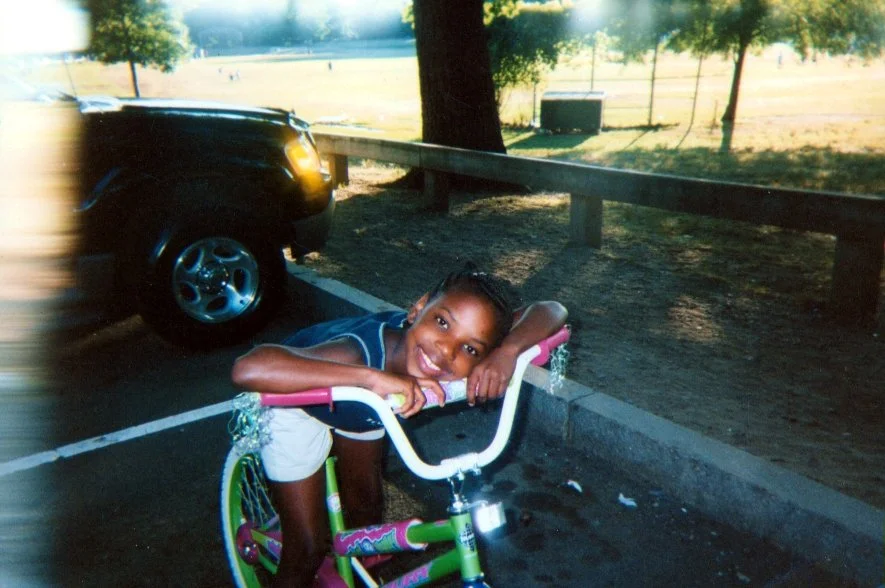
I began to recognize that this wasn't a new response to grief and difficult experiences, but a pattern that had formed throughout my life. I was used to pushing past what I felt, trying to understand or fix my experience before slowing down enough to acknowledge what I was feeling. I often moved quickly through grief without giving myself the space to fully experience it. My recovery became an invitation to come face to face with this pattern and an opportunity to meet myself with more care instead of turning against myself.
I’m grateful I had people in my life who became mirrors, illuminating the ways I was responding to my experience and the harm I was causing myself. They answered my calls in the middle of the night, helped with things around my apartment, went on walks with me, and sat with me in my fear and frustration. There was something incredibly healing about being witnessed in the depths of my grief while still being met with patience and care. Being held in this way encouraged me to meet myself differently.
I started to wonder what would happen if I responded to this experience differently. During a session with my bodywork therapist, I shared my frustrations. She asked whether I was allowing my body to heal while I continued seeking care. As the question landed, I paused, replaying how I had been monitoring my body so closely, looking for signs of improvement, anticipating the next symptom, trying to understand. I wondered how I could trust my body to heal when I was watching it so closely. The word allow stayed with me. What would it mean to allow my grief and physical symptoms to exist without immediately trying to resolve them? To allow my body the space to heal and find its new rhythm without force? To allow uncertainty to exist without immediately reaching for a solution? And to allow for multiple truths to exist at once? This practice was challenging, especially because I’ve spent so much of my life doing the opposite.
Allowing didn't mean accepting inadequate care, giving up my right to question what had happened and advocate for myself, or feeling frustrated by my body. It meantbeginning to consider whether I could make room for those feelings and experiences to coexist without turning against myself.
During my recovery, it was difficult to see beyond the present moment. My energy and attention were consumed by my health, and the ease and joy that once felt accessible now seemed out of reach. Almost a year after my procedure, a friend asked if I wanted to visit her in Puerto Rico. I had become accustomed to managing my symptoms within the routines I had built at home, but this would be my first vacation since my procedure. My mind went to its default setting, flooding my system with what-ifs. I could feel the familiar urge to anticipate everything that might go wrong, but I also felt excited about the possibility of traveling again. I decided to make room for both. I bought the ticket and trusted that I could meet whatever came. And I did. The trip reminded me that I could make room for life to continue. I could acknowledge that my body had changed and needed different support, but I didn't want my relationship with my body to be defined only by what I’d lost, what had changed, or what remained uncertain. I still wanted to remain open to joy, tenderness, connection, and the experiences that remind me there is still so much to participate in and look forward to.

I don't want to suggest that I needed to experience pain, complications, or inadequate care to arrive at these realizations. At times, things were very much out of my control. I can acknowledge the ways I was failed by the care I received, remain critical of what happened, and still extend compassion to the person I was when I made the decision to have surgery.
Fibroids and endometriosis are common, and surgery can provide relief for many people. But recovery doesn't look the same for everyone. Some people are left navigating prolonged symptoms and difficult recoveries with little guidance or support, often receiving one-size fits all instructions that don't account for the different bodies, histories, and needs people bring to these experiences. I hope to expand the narratives surrounding surgery and recovery, making room for the physical, emotional, and spiritual parts of healing.
I write this still in process, still learning, and still navigating health challenges following my surgery. I considered waiting until I was fully healed to share my story, but I have come to recognize the value of sharing while in process. Tending to ourselves asks us to make room for what we feel, what we need, and the parts of ourselves that are still becoming. I’m learning that I don't have to resolve every contradiction or uncertainty in order to meet myself with more care. For me, this looks like committing to the practice of returning to myself and allowing, even when my story is unfinished.
Written by Jasmine Clarke