
For us who have no home.
This essay is about a home that you have outgrown and a home that does not want you.
For us who have no home.
You are in a Nigerian restaurant in Birmingham with your family and you chose Amala from the menu. You did not like Amala growing up, so your mum looks up at you in confusion.
You shrug — she does not know that nostalgia makes food taste better.
Before you became a Nigerian abroad, you lived in Nigeria and visited London for summer holidays. When the chance to study abroad came, you packed as much as you could into two 23kg bags, and said you would be back home soon.
Living in London was confusing. Little things made you cry — like when you wanted to buy biscuits at 7:00pm at the shop beside your hostel, you had to wear a sweater, a jacket, socks and sneakers, and you broke down in tears because all you had to do in Lagos was wear Bubu and slippers and stroll to a shop in the estate.
You could not sleep after End SARS. You were in London, refreshing your phone, catching up on what was happening at home, and after the toll-gate shooting you would lie awake with the fear of going back. You got sleeping medication; it did not work. One night you drank something, not knowing it had alcohol in it, and you slept. So alcohol became a part of your grocery list.
But you finished school. You got a job. One year went by, then two, then four, and you found your feet. The trains no longer scare you, and when the forecast says 5 degrees you know to layer thermals under a jumper and a jacket without thinking about it.
You long for home, so you eat Nigerian food, attend a Nigerian church, wear African prints in the summer, and learn to make small talk about Afro-beats and Jollof rice.
You are officially a Nigerian abroad. You have the Nigerian flag on your Instagram bio.
You speak fondly about memories of eating fresh corn on the roadside, but you will leave out how terrorism in Northern Nigeria affects the food supply to the rest of the country.
When you travel to Lagos, you write a list of "Foods to eat in Lagos". Akara and bread will cost you 2,000 naira and you will convert to pounds and say "not bad, just £1."
When you wake up at night with intense cramping and non-stop diarrhoea, you remember that there was a gutter by the roadside when you bought the akara. You will loathe yourself for being too soft and foreign, and make plans to be tougher.
You will text your friend and say "I am considering moving back home" and you will, in fact, say that God told you to. You will start to make plans on how this will work and watch multiple youtube videos of people who relocated.
You will get disillusioned about Lagos when an armed policeman stops your Uber and asks for the driver's papers. When he starts to stammer, and the policeman forcibly enters the car and asks the Uber driver to drive to the station, you will raise your voice in the loudest volume you can muster and the best pidgin english you know:
"Oga, I want to come down"
"Oga, no be me get car abeg"
You will step out of the car, shaking inside because you have heard horror stories of people being killed that way, so you will decide to walk home as you can see the estate just ahead.
When you get home, there is no light, so you ask for the generator to be turned on. Everything is both familiar and strange. You know the routines and the people, but you feel different.
You start to count down to the days when you will take a flight back to London. Your friend sends you a link to the consultation about the United Kingdom extending Indefinite Leave to Remain from 5 years to 15 years.
You will feel like a rug is being pulled from under your feet, but you will steady yourself. You have just 1 year left to be eligible, so you will sigh, drop your phone, and draw up your master plan.
PLAN A — RELOCATION TO NIGERIA
Low employment rate — Get a digital skill
Low income — Get a remote dollar-paying job
Security — Live on the island, in an estate
Electricity — Get Solar
Then you remember the Lady who came back home, and was killed by armed robbers in her house in Abuja. An area meant to be safe, meant for the affluent. You feel dejected.
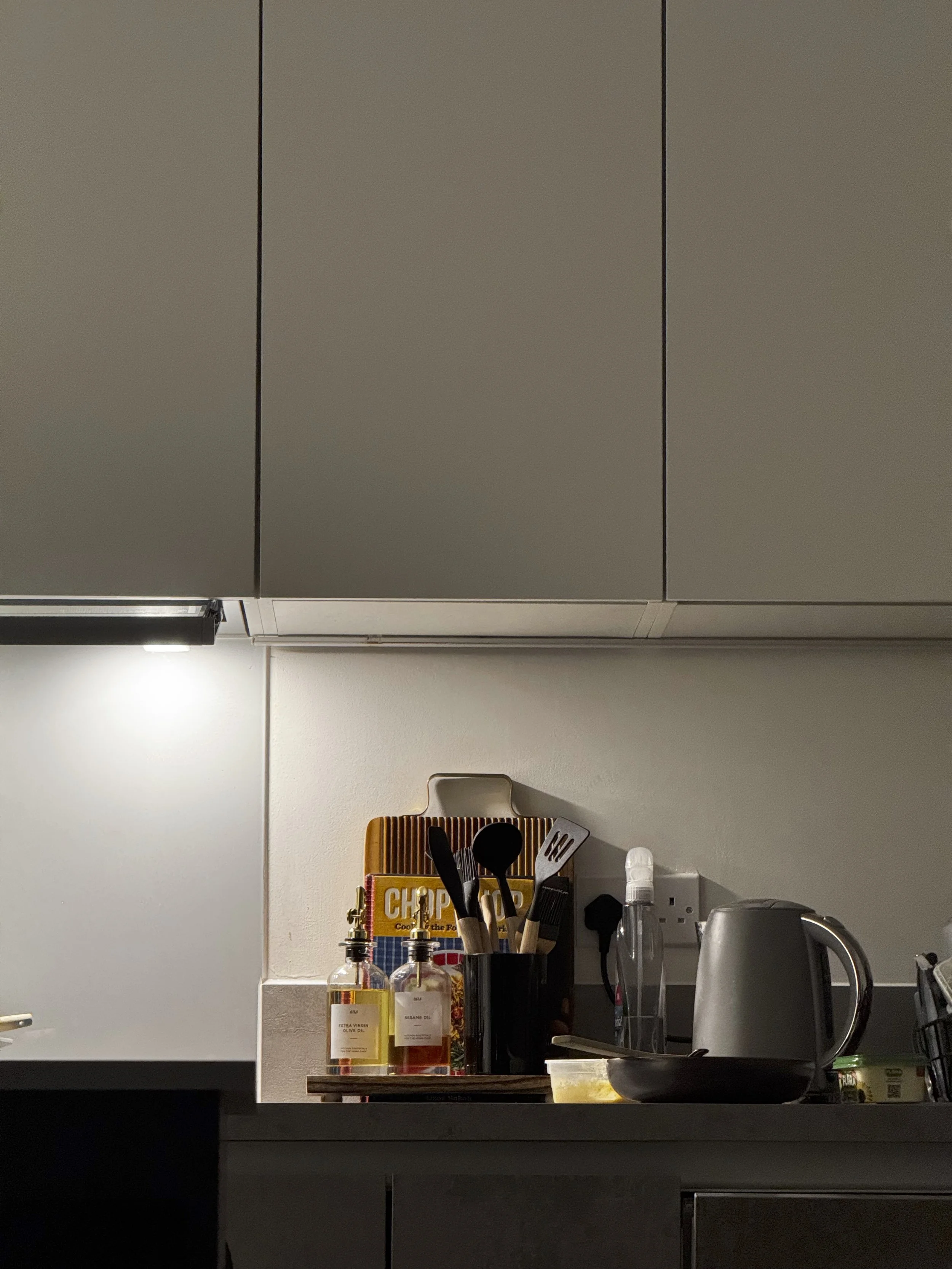
You will come back to London with 23kg of luggage full of Nigerian food and clothes, and in your modern kitchen you will arrange these in transparent glass jars with white and black labels — Garri, Rice, Pepper soup spice.
Reform has won, and immigrants are sharing it on their Whatsapp stories, saying if you don't have Indefinite Leave to Remain yet, start looking for alternative routes.
You refuse to panic. Remember, you have your plan A, and it is all written out.
PLAN A — RELOCATION TO NIGERIA
Low employment rate — Get a digital skill
Low income — Get a remote dollar-paying job
Security — Live on the island, in an estate
Electricity — Get Solar
Months later, you will be scrolling on Instagram and see multiple posts about children kidnapped in Nigeria and the spread of insecurity, and you will walk back to your flat in London with less spring to your steps.
You will attempt to pray to God, and you will be unsure how to start.
Do you pray that the law does not change?
Do you pray that home gets better?
Do you pray for both?
You decide to pray for both, but no words come out, and you stay curled up in your bed till you drift asleep.
What do you do when the place you called home breaks your heart, and the place you could call home doesn't want you there?
Written By Damilola